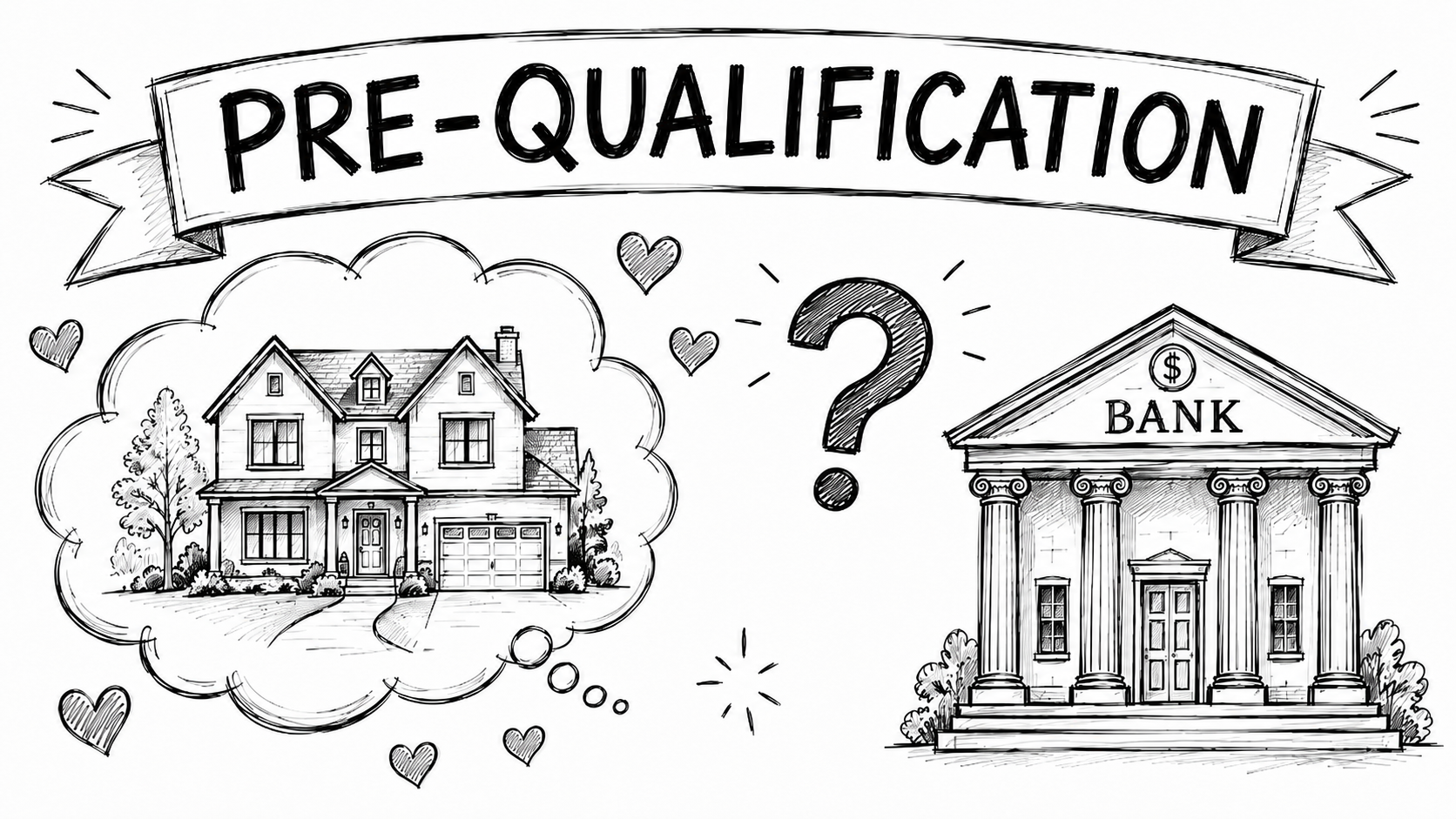
Don’t Fall in Love Before You Know Your Budget, Get Pre-Qualified
Before you fall in love with a property, there is one very important step you should take first: get pre-qualified.
What Is Pre-Qualification?
Pre-qualification is a basic affordability check done before you formally apply for a home loan.
It gives you an indication of how much the bank may be willing to lend you, based on your income, expenses, credit profile and financial position.
It is not a final bond approval, and it does not guarantee that the bank will approve your loan. The bank will still need to assess the full application once you have signed an Offer to Purchase.
But it gives you a much clearer idea of what price range you should be looking at.
Why Is Pre-Qualification So Important?
The biggest reason is simple: it helps you shop in the right price range.
Without pre-qualification, you may spend time viewing homes that are above your affordability. This can be disappointing and frustrating, especially if you find a house you love but later discover that the bond amount is not realistic.
Pre-qualification also helps your estate agent guide you properly. If the agent knows your approximate buying power, they can show you properties that suit your budget instead of wasting your time with homes that may not work financially.
It also makes your offer stronger. Sellers want to know that the buyer can afford the property. When you are already pre-qualified, your offer looks more serious and better prepared than an offer from a buyer who has not checked affordability yet.
What Does It Cost?
Pre-qualification through a bond originator is free of charge to the buyer.
The bond originator is usually paid by the bank if your home loan is successfully approved and registered. This means you can get valuable guidance without paying a fee.
What Documents Do You Need?
The exact documents may differ slightly depending on your employment type and financial situation, but you will usually need:
A copy of your ID/passport
Proof of residential address
Latest payslips (6 months)
Three months’ bank statements
Tax number
Details of your monthly income and expenses
If you are self-employed, you may need additional documents, such as business bank statements, financial statements or a letter from your accountant.
Why Do This Before Viewing Homes?
Getting pre-qualified first gives you confidence.
You know what you can afford. Your agent knows how to help you. The seller can see that you are serious. And you avoid the heartache of falling in love with a property that may not fit your budget.
It is a small step that can save a lot of time, stress and disappointment later.
Final Thought
Before you start viewing homes, get your finances checked. If you are not sure where to start, speak to your estate agent first. A good agent works with these processes regularly and can help you avoid unnecessary confusion and delays.
Pre-qualification is not there to limit your dream. It is there to help you buy wisely, move confidently, and make a strong offer when the right home comes along.
For more information visit: https://www.property24.com/articles/pre-qualification-why-verification-before-the-offer-to-purchase-is-non-negotiable/33021?utm_source=newsletter&utm_medium=email&utm_campaign=agent_newsletter&utm_content=